
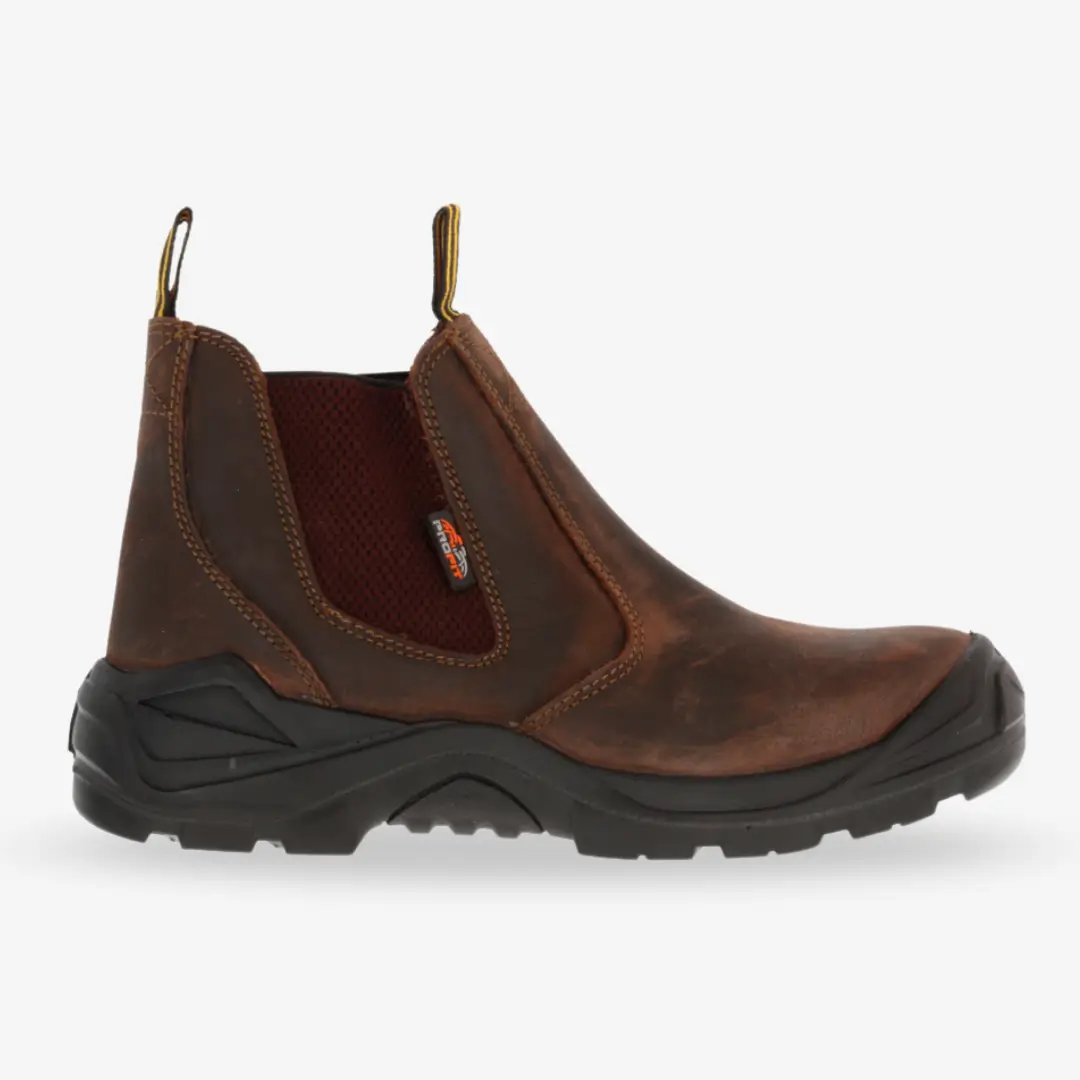
Wet work environments demand footwear that combines grip, comfort, and stability. Choosing the right slip resistant work shoes in Victoria, Australia helps workers stay safe and confident on slippery floors while maintaining steady footing throughout the day. Reliable safety shoes support workers by providing dependable traction and comfort during long hours in active workplaces. These shoes provide dependable traction in industries like food preparation, cleaning services, and maintenance, where wet or slick surfaces are common.
Supportive interiors and durable materials improve comfort, reduce fatigue, and promote balanced walking posture. Proper workplace footwear allows professionals to focus on their responsibilities without distraction, helping maintain steady performance and productivity during long shifts. Investing in quality slip resistant work shoes ensures safety, confidence, and efficiency in fast-paced, challenging work environments.
Key Features of Slip Resistant Safety Shoes
Slip resistant footwear is designed with materials and construction techniques that help maintain traction and stability. Understanding these features allows workers to choose footwear that performs well in environments where moisture may be present.
Outsole Design for Reliable Traction
The outsole is one of the most important parts of any slip resistant shoe. Its design helps maintain contact with the ground and supports grip across different floor surfaces. Proper outsole construction supports confident movement during active work tasks.
Key outsole characteristics include:
- Deep tread patterns that help channel moisture away from the sole
- Flexible materials that support natural movement while maintaining traction
These features work together to help workers maintain balance when walking across damp kitchen floors, preparation areas, or cleaning zones.
Materials That Support Durability
Safety footwear used in wet work environments must handle daily activity while maintaining structural integrity. Durable materials help shoes maintain their shape and performance over time.
Common material features include:
- Reinforced stitching that supports long-term durability
- Water-resistant surfaces that help manage moisture exposure
- Flexible uppers that allow comfortable movement
Shoes designed with durable materials support daily activity while maintaining consistent performance in active workplaces.
Comfort and Support for Long Working Hours
Workers in wet environments often spend long periods on their feet. Comfort plays an important role in helping individuals maintain focus and productivity throughout the day.
Cushioning That Supports Natural Movement
Interior cushioning provides support for walking, standing, and moving throughout a work shift. Proper cushioning absorbs pressure from repeated steps and helps maintain a comfortable walking experience.
Important comfort features may include:
- Soft interior padding that supports foot pressure distribution
- Lightweight midsoles that support smooth movement
- Breathable lining that encourages airflow inside the shoe
These elements help maintain comfort during extended work periods while supporting natural foot movement.
Structured Heel and Arch Support
Balanced foot support is important for maintaining posture and steady movement during active tasks. Well-designed footwear provides structural support that helps maintain alignment while walking or standing.
Support features may include:
- Stable heel construction that encourages balanced walking
- Arch support designed to maintain natural foot positioning
- Flexible forefoot design that supports comfortable motion
Together, these design elements help maintain comfort during active shifts where movement is constant.
Choosing Hospitality Safety Shoes for Active Work Environments
Workplaces within the service and food preparation industries often require quick movement and continuous activity. Properly designed hospitality safety shoes Victoria help workers navigate busy environments while maintaining comfort and traction.
Flexible Design for Service Roles
Hospitality roles involve frequent walking, turning, and standing. Footwear designed for these tasks focuses on flexibility and balanced movement.
Important design characteristics include:
- Lightweight construction that supports easy mobility
- Flexible soles that adapt to different floor surfaces
- Smooth interior structure that promotes long-lasting comfort
These features allow workers to move naturally while maintaining stability during busy work periods.
Breathable Construction for Daily Comfort
Breathability is another important element in safety footwear. Shoes designed with airflow features help maintain a comfortable interior environment during long hours of use.
Breathable footwear may include:
- Mesh or ventilation panels that support airflow
- Moisture-managing linings that maintain comfort
- Flexible materials that allow natural air circulation
These elements help support comfort and freshness throughout extended shifts.
Maintaining Slip Resistant Safety Shoes for Long-Term Use
Proper care helps maintain the performance and durability of workplace footwear. Simple maintenance routines allow shoes to continue supporting grip and comfort during daily work activities.
Routine Cleaning Practices
Cleaning footwear regularly helps maintain traction and appearance. Removing debris from the outsole ensures that tread patterns continue to perform effectively.
Helpful cleaning practices include:
- Wiping the outsole to remove buildup from daily activity
- Allowing shoes to dry naturally after exposure to moisture
- Storing footwear in a clean and ventilated space
Regular cleaning supports long-term usability while maintaining the functional features of slip resistant footwear.
Monitoring Comfort and Fit
Workplace footwear should continue to feel comfortable and supportive during daily use. Periodically checking the interior cushioning and overall fit helps maintain consistent comfort.
Workers may benefit from:
- Checking interior padding to ensure it remains supportive
- Maintaining proper lacing or fastening for balanced fit
- Ensuring the shoe maintains its original structure
These simple checks help maintain comfort and ensure footwear continues to support daily movement.
Workplace Benefits of Slip Resistant Footwear
Slip resistant footwear plays an important role in supporting productivity in workplaces where floors may become damp during daily tasks. Reliable grip allows workers to move confidently and maintain focus on their responsibilities.
Improved Movement and Stability
Properly designed footwear supports smooth movement across different surfaces. Workers benefit from shoes that maintain consistent traction and encourage steady walking patterns.
Benefits may include:
- Confident movement across smooth or damp flooring
- Balanced posture during standing and walking
- Comfortable steps during extended work hours
These benefits support workplace efficiency while encouraging comfortable daily activity.
Supporting Professional Work Environments
Footwear designed for workplace conditions contributes to an organized and professional work environment. Reliable shoes help individuals focus on service quality, teamwork, and productivity.Ensure your team stays comfortable, supported, and ready for every shift. Contact ProFit Safety Footwear Australasia to learn more about choosing the right safety footwear for your workplace.
Conclusion
Choosing the right slip resistant safety shoes Victoria Australia supports stability, comfort, and smooth movement in wet work environments. Footwear designed with reliable traction, durable materials, and supportive interiors helps workers maintain balance during active tasks.
Well-constructed safety shoes contribute to comfortable working conditions while supporting productivity in environments where moisture is present. By selecting footwear that offers grip, flexibility, and long-lasting support, workers can perform daily responsibilities with confidence and ease.
FAQs
1. What are slip resistant safety shoes designed for?
Slip resistant safety shoes are designed to support traction and stability in work environments where floors may become damp or smooth during daily activities.
2. Who commonly uses hospitality safety shoes Victoria?
Hospitality professionals, kitchen staff, cleaning teams, and service workers often wear footwear designed for environments where moisture may be present.
3. Why is outsole design important in slip resistant footwear?
The outsole pattern and material help maintain grip on different surfaces and support steady movement throughout the workday.
4. How do slip resistant shoes improve comfort during long shifts?
Features such as cushioning, breathable lining, and supportive structure help maintain comfort during extended working hours.
5. How should slip resistant safety shoes be maintained?
Regular cleaning, proper drying, and checking the interior support help maintain the performance and durability of safety footwear.