
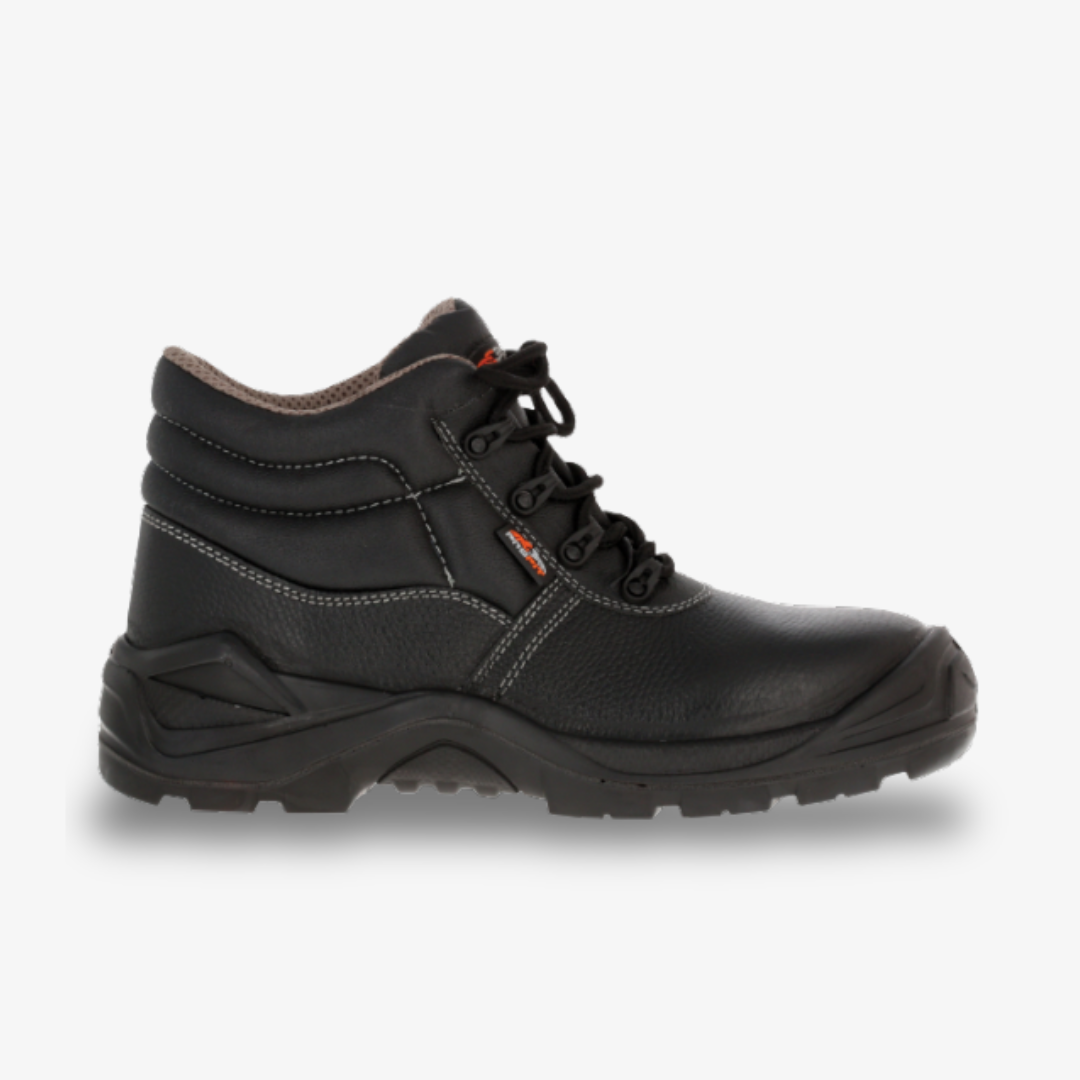
Safety boots are essential for ensuring workplace protection across construction, industrial, warehouse, and trade environments. The right footwear supports stability, comfort, and long-term foot health while helping reduce the risk of common workplace hazards. Choosing appropriate safety boots is not simply about meeting requirements.
It is about selecting footwear that aligns with your daily tasks and supports consistent performance. When exploring options available through ProFit Safety Footwear, it becomes clear that different workplaces demand different protective features. Therefore, understanding the types of protection available helps you make a confident and informed decision.
Understanding Workplace Hazards
Before selecting safety boots, assess the type of environment you work in. Some workplaces involve heavy materials and moving equipment. Others involve sharp debris, uneven ground, or long hours on hard flooring. Identifying these conditions helps determine the level of protection required.
Impact and Compression Risks
In environments where heavy objects are handled, reinforced toe protection becomes important. Falling tools or materials require footwear that can absorb and distribute force effectively. This is where steel cap boots are commonly selected, as they provide structured toe reinforcement designed for demanding conditions.
Electrical and Lightweight Requirements
Certain workplaces require non-metal footwear due to electrical considerations or security settings. Composite toe safety shoes offer reliable impact protection using non-metal materials. Because they are lighter in weight, they also support ease of movement and long-term comfort throughout active shifts.
Puncture and Ground Hazards
Work environments that include scattered debris or sharp ground materials require underfoot protection. Kevlar midsole boots include a flexible yet strong layer within the sole that helps guard against penetration from nails, screws, or sharp fragments. This added protection supports confident movement across varied terrain.
Types of Safety Boots and Their Features
Choosing the right safety boots involves understanding how different designs support specific tasks.
Steel Cap Boots
Steel cap boots include a reinforced steel toe area that supports impact resistance and compression protection. They are widely used in construction, manufacturing, and logistics environments. Their structured build provides dependable performance and long-term durability. In addition, they often feature slip-resistant outsoles for improved stability.
Kevlar Midsole Boots
Kevlar midsole boots are designed to include puncture-resistant technology within the sole, making them a dependable choice in premium safety footwear for demanding industrial environments. The woven synthetic layer provides strong underfoot protection while maintaining flexibility, ensuring comfort without compromising safety.
This feature is especially useful in workplaces where hidden debris may be present. When combined with reinforced toe protection, these boots offer comprehensive coverage for workers who require advanced durability and reliable performance.
Importance of Fit and Comfort
Protection is important, yet comfort plays an equally vital role in selecting safety boots. Footwear worn for extended periods should provide support without restricting movement.
Proper Sizing
Choosing the correct size ensures stability and balance. Boots should feel secure around the heel while allowing natural toe movement. Trying footwear with work socks helps achieve an accurate fit.
Arch Support and Cushioning
Supportive insoles distribute weight evenly and help maintain posture throughout long shifts. Cushioned midsoles absorb shock during walking, which enhances comfort and reduces strain. Breathable lining also improves airflow and freshness during daily wear.
Slip Resistance and Outsole Performance
Stable footing is essential in busy workplaces. Slip-resistant outsoles enhance grip on smooth, wet, or uneven surfaces. High-quality rubber compounds maintain traction and promote steady movement. Selecting safety boots with reliable outsole performance supports confidence in every step.
Material Quality and Durability
The construction of safety boots influences their lifespan and performance. Premium leather provides flexibility and strength, while reinforced synthetic materials may offer lightweight durability. Strong stitching and secure eyelets maintain structure over time. Choosing quality materials ensures that protective features remain effective throughout regular use.
Certification and Safety Standards
Certified safety boots meet recognised testing requirements for impact resistance, compression resistance, slip resistance, and puncture protection. Checking certification details provides assurance that the footwear meets established standards. Whether selecting steel cap boots, composite toe safety shoes, or Kevlar midsole boots, compliance supports dependable workplace protection.
Matching Safety Boots to Your Role
Different industries require different combinations of features. Construction workers often prioritise reinforced toe and slip-resistant designs. Warehouse staff may prefer lightweight comfort for frequent movement. Tradespeople working on varied surfaces may benefit from added puncture protection. Aligning footwear features with daily responsibilities supports both safety and productivity.
Maintaining Safety Boots for Long-Term Performance
Regular care helps maintain the structure and performance of safety boots. Cleaning footwear after use preserves materials and appearance. Allowing boots to dry naturally helps maintain shape. Conditioning leather supports flexibility, while replacing worn insoles maintains comfort. Consistent care ensures that protective elements continue to function effectively. Reach out to ProFit Safety Footwear Australia for more info today!
Conclusion
Safety boots are a fundamental part of workplace protection, and choosing the right pair requires understanding workplace hazards, protective features, and comfort needs. Steel cap boots provide reinforced impact support, composite toe safety shoes offer lightweight flexibility, and Kevlar midsole boots deliver dependable underfoot protection. By selecting certified, well-fitted footwear that aligns with your daily tasks, you create a balanced combination of comfort, stability, and long-term safety.
Frequently Asked Questions
1. What are safety boots used for?
Safety boots are designed to protect feet from impact, compression, puncture risks, and surface instability in workplace environments.
2. Are steel cap boots suitable for all industries?
Steel cap boots are ideal for environments that require reinforced toe protection and structured durability.
3. Why choose composite toe safety shoes?
Composite toe safety shoes provide impact protection with a lightweight, non-metal construction that supports comfort and mobility.
4. When are Kevlar midsole boots recommended?
Kevlar midsole boots are recommended for workplaces where sharp debris or ground materials may be present.
5. How can I ensure my safety boots last longer?
Regular cleaning, natural drying, and proper storage help maintain performance and comfort over time.