
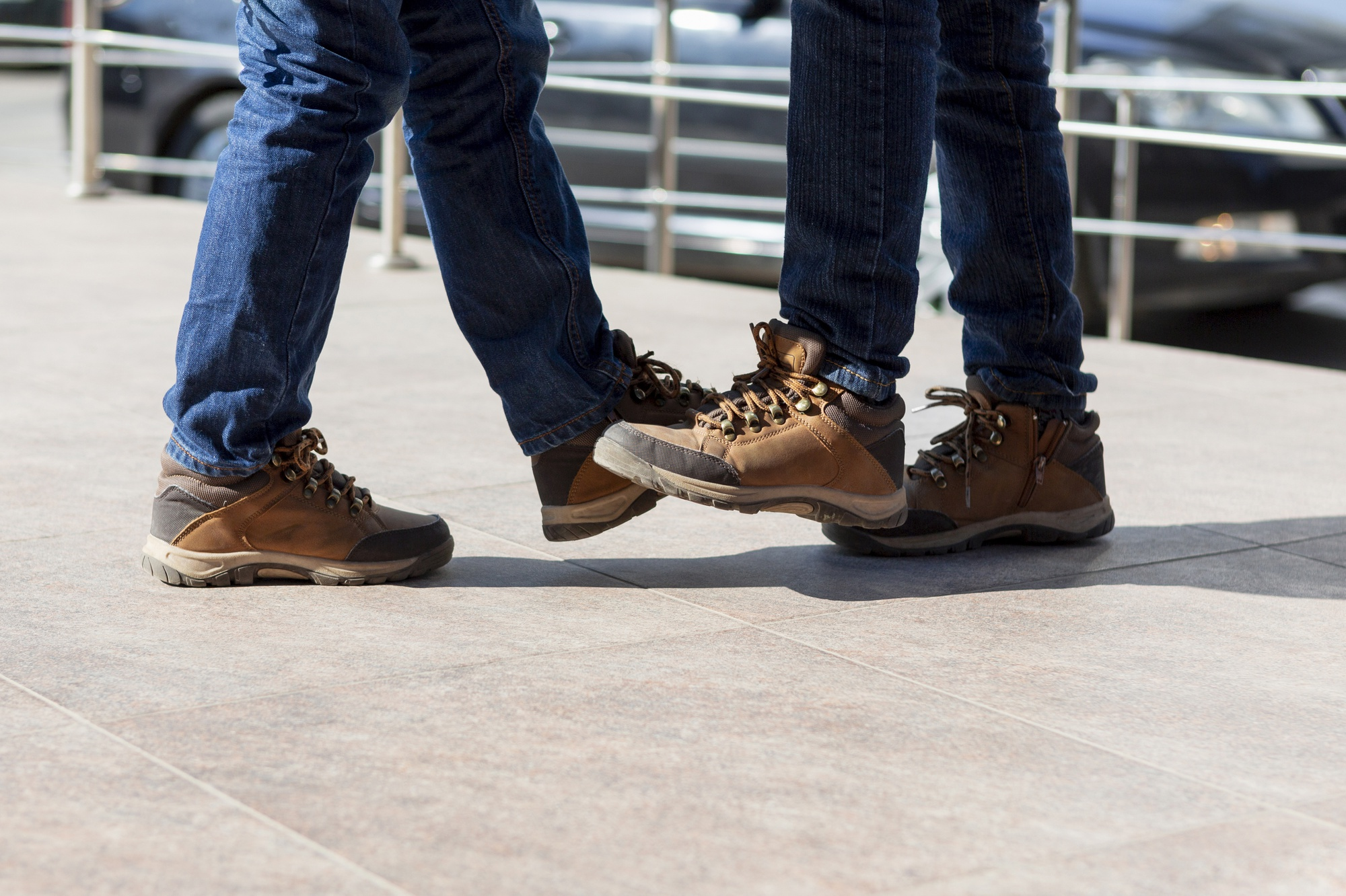
Safety toe shoes are one of the most important pieces of protective equipment for anyone working around heavy tools, machinery, or falling objects. Yet many people still choose their footwear based on price or appearance alone, without considering whether the shoe actually matches the hazards they face on the job. The wrong choice can lead to discomfort, reduced mobility, or worse, inadequate protection when it matters most.
Choosing the right pair involves understanding toe cap materials, fit, certification standards, and how your specific work environment affects your footwear needs. A trusted supplier like Profit Safety Footwear offers a wide range of certified safety toe shoes designed for different industries, making it easier to find a pair that genuinely suits your role. This guide breaks down everything you need to know before making your next purchase, including where styles like Chelsea boots fit into the picture for workers who want both protection and a more streamlined look.
What Are Safety Toe Shoes and Why Do They Matter?
Safety toe shoes are footwear built with a reinforced protective cap over the toes, designed to shield your feet from impact, compression, and in some cases, puncture hazards. They’re a legal requirement in many workplaces, particularly construction, manufacturing, and warehousing, where the risk of dropped objects or heavy machinery is high.
Beyond compliance, the right safety toe shoe genuinely reduces the likelihood of serious foot injuries, which remain one of the most common workplace injury categories across physically demanding industries.
What Types of Toe Protection Are Available?
Not all toe protection is built the same way. Understanding the differences helps you choose a shoe that matches your specific risk level.
What Is a Steel Toe Cap and When Should You Use One?
Steel toe caps offer the highest level of impact and compression resistance, making them ideal for heavy industrial work, construction, and roles involving frequent exposure to falling objects. The trade-off is added weight, which can contribute to fatigue over long shifts.
What Is a Composite Toe Cap and How Is It Different?
Composite toe caps are made from non-metal materials such as fiberglass, carbon fiber, or Kevlar. They offer similar protection levels to steel while being significantly lighter and non-conductive, making them a strong choice for electrical work or environments with extreme temperatures.
What Is an Alloy Toe Cap?
Alloy toe caps use lightweight metals, such as aluminium or titanium, to provide strong protection with less bulk than traditional steel. They’re a good middle-ground option for workers who want solid protection without the added weight of full steel caps.
How Do You Know Which Safety Standard to Look For?
Certification standards ensure that safety toe shoes have been tested to withstand specific impact and compression forces. In Australia, look for compliance with AS/NZS 2210.3, which outlines requirements for protective footwear used in various occupational settings.
Do Different Industries Require Different Certification Levels?
Yes. Heavy industrial and construction roles typically require higher-rated protection, while retail, hospitality, or light warehouse roles may only require basic compliance. Always check your workplace’s specific safety policy before purchasing, since requirements can vary even within the same industry.
For workers who need footwear suited to a wide range of roles, browsing a unisex safety footwear can be a practical starting point, offering versatile styles designed to meet common certification requirements across multiple work environments.
How Should Safety Toe Shoes Fit?
Fit plays a major role in both comfort and protection. A poorly fitted safety shoe can cause blisters, joint strain, or reduced mobility, even if the toe cap itself is high quality.
How Much Room Should Be in the Toe Box?
Your toes should be able to move slightly without feeling cramped against the protective cap. Too little room can cause discomfort and pressure points, while too much space can lead to your foot sliding forward inside the shoe.
Should You Try Shoes On Later in the Day?
Yes. Feet naturally swell throughout the day, so trying shoes on in the afternoon, ideally with the socks you’ll wear at work, gives a more accurate sense of true fit.
Does Arch Support Matter for Safety Toe Shoes?
Absolutely. Proper arch support reduces strain on your feet and lower back, especially important for anyone standing or walking for long shifts. Look for shoes with contoured insoles or removable footbeds that support your natural arch shape.
What Other Safety Features Should You Consider?
Toe protection is important, but it’s rarely the only feature that matters for everyday safety.
Do You Need Slip-Resistant Soles?
If you work around wet floors, oil spills, or uneven surfaces, slip-resistant outsoles are essential. Look for deep tread patterns and rubber compounds specifically designed to maintain grip in these conditions.
Should You Consider Puncture-Resistant Midsoles?
For roles involving nails, debris, or sharp materials underfoot, a puncture-resistant midsole adds an extra layer of protection that toe caps alone don’t provide.
Is Electrical Hazard Protection Necessary?
If you work near live electrical systems, look specifically for shoes rated for electrical hazard protection, which helps reduce the risk of electric shock in the event of accidental contact.
To explore a broader selection of certified options built around these features, a dedicated safety shoes collection makes it easier to compare styles based on the specific protective features your job requires.
How Do Comfort Features Affect Long-Term Wear?
Even the most protective shoe becomes a liability if it’s too uncomfortable to wear consistently. Look for the following comfort-focused features when choosing safety toe shoes:
- Cushioned insoles that absorb shock with every step
- Breathable linings that reduce moisture and odour buildup
- Flexible outsoles that move naturally with your foot
- Lightweight materials that reduce fatigue over long shifts
Workers who want a slightly more refined look without sacrificing these comfort features have increasingly turned to Chelsea boots, which combine a sleek, slip-on design with reinforced toe protection, making them a practical option for supervisory roles or workplaces that require quick on-and-off access throughout the day.
Are Safety Toe Shoes Different for Men and Women?
Yes, and this distinction matters more than many people realise. Safety shoes designed specifically for women typically account for a narrower heel and more accurate arch profile, rather than simply offering a downsized version of a men’s shoe. This leads to a more secure, comfortable fit that reduces the risk of blisters and long-term discomfort.
How Often Should You Replace Safety Toe Shoes?
Even high-quality safety toe shoes wear down over time, and continuing to use damaged footwear reduces their protective value. Watch for these warning signs:
- Visible cracks or separation in the toe cap area
- Reduced tread depth on the outsole
- Compressed or flattened insoles that no longer offer support
- Any exposure of the internal toe cap material
Replacing shoes as soon as these signs appear helps maintain consistent protection throughout your workday.
Final Thoughts
Choosing the right safety toe shoes comes down to understanding your specific workplace hazards, required certification standards, and personal comfort needs. Whether you need heavy-duty steel toe protection or a lighter composite option, the right pair should offer reliable protection without compromising on fit or comfort throughout your workday. If you’re unsure which safety toe shoes best suit your role, reach out through the contact page for guidance on finding certified footwear tailored to your specific work environment.
Frequently Asked Questions
1.How do I know if I need steel toe or composite toe shoes?
Steel toe shoes offer maximum impact resistance and suit heavy industrial roles, while composite toe shoes are lighter, non-conductive, and better suited for electrical work or environments with extreme temperatures.
2.Are safety toe shoes required by law?
In many industries, particularly construction, manufacturing, and warehousing, safety toe shoes are a legal workplace requirement. Always check your specific workplace policy to confirm the exact standard needed.
3.Can safety toe shoes be comfortable for all-day wear?
Yes, provided they include cushioned insoles, proper arch support, and a correct fit. Choosing the right size and allowing a short break-in period also helps improve comfort over long shifts.
4.Are Chelsea boots considered safety toe shoes?
Certain Chelsea boot styles include reinforced toe caps and meet recognised safety standards, making them a viable safety toe option for workers who want a more streamlined appearance alongside genuine protection.
5.How do I clean and maintain safety toe shoes?
Wipe off dirt and debris after each shift, condition leather materials regularly, and allow shoes to air out between wears to prevent material breakdown and extend their overall lifespan.